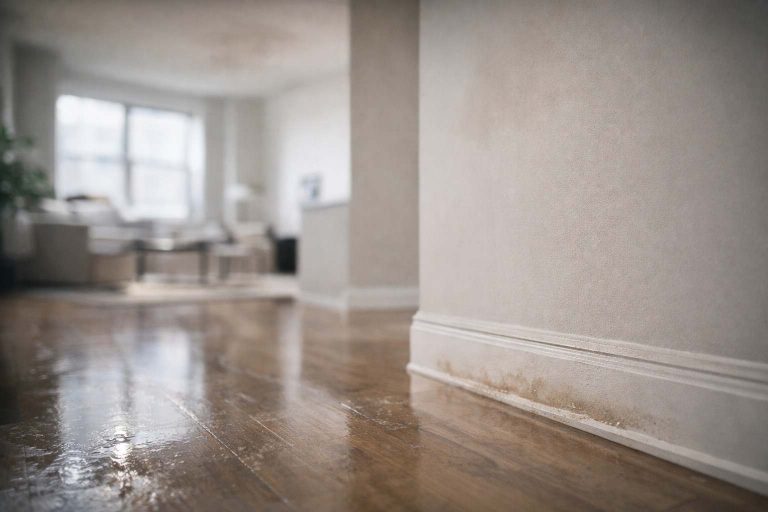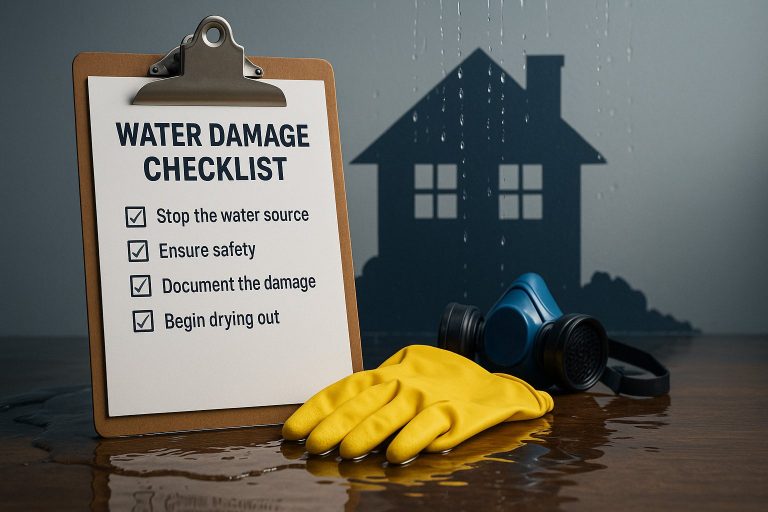
Water damage moves fast. In New York City, shared walls, old plumbing, and tight spaces make it worse. What you do in the first hours matters more than what you do later.
This guide explains the steps to take right away to limit damage and cost.
Step 1: Stop the Water Source
If water is still coming in, stop it first.
- Shut off the main water valve if a pipe breaks
- Turn off fixtures tied to the leak
- Call building management if the source is not inside your unit
If the water comes from above, act fast. Gravity spreads damage.
Step 2: Cut Power in Affected Areas
Water and electricity do not mix.
- Shut off power to wet rooms
- Avoid outlets, extension cords, and appliances
- Do not step in standing water if power is on
If you are unsure, wait for a professional.
Step 3: Document Everything
Photos matter. Take them before cleanup starts.
- Capture walls, floors, ceilings, and furniture
- Record the source of water if visible
- Save repair estimates and invoices
In New York City, insurance and building management often require proof.
Step 4: Remove Standing Water
Standing water causes fast damage.
- Use pumps or wet vacuums if safe
- Mop small areas
- Do not use household vacuums
The longer water sits, the higher the risk of mold.
Step 5: Start Drying Right Away
Drying slows mold growth.
- Open windows if weather allows
- Use fans to move air
- Use dehumidifiers if available
Drying must reach inside walls and floors. Surface drying is not enough.
Step 6: Do Not Tear Out Materials Yet
Many people rush this step. That can backfire.
- Wet drywall may hide moisture behind it
- Flooring can trap water underneath
- Improper removal spreads mold spores
Assessment comes before demolition.
Step 7: Watch for Mold Risk
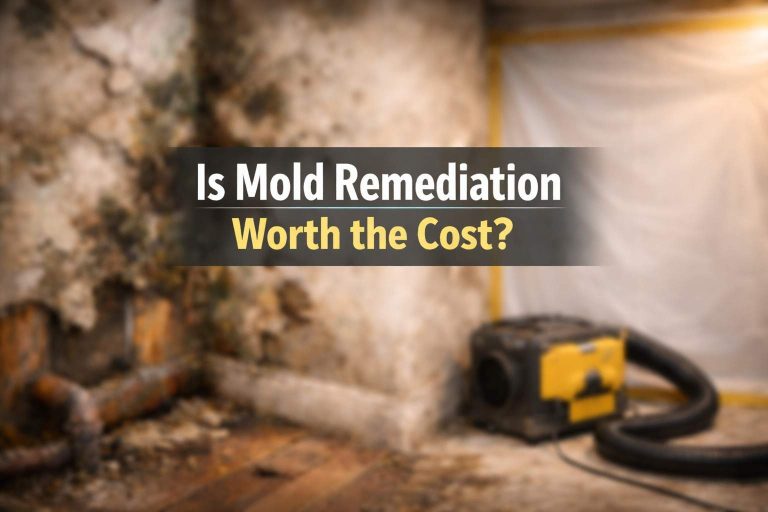
Mold can start within 24 to 48 hours.
Be alert if:
- You smell a musty odor
- Walls feel soft or swollen
- Paint bubbles or peels
- Wood darkens or warps
In NYC apartments, mold can spread to neighboring units.
Step 8: Call a Water Damage Professional
Professional help is critical when:
- Water soaked walls or ceilings
- The source was sewage or dirty water
- The area stayed wet for hours
- Multiple units are involved
A proper response includes moisture mapping, controlled drying, and mold prevention.
Step 9: Notify the Right Parties
Do this early to avoid disputes.
- Contact your insurance provider
- Notify building management or the landlord
- Keep written records of all communication
Delays often lead to denied claims.
Common Mistakes to Avoid
- Waiting too long to act
- Using heat to dry wet materials
- Ignoring moisture behind walls
- Cleaning mold without containment
These mistakes raise repair costs.