Worried You Might Have Black Mold? Here’s How to Know for Sure.
Black mold (also known as stachybotrys) is one of the most alarming problems an NYC resident can face. It grows quickly, spreads silently, and can hide deep inside walls, ceilings, and HVAC systems without any obvious signs, until it becomes a threat to your health.
Whether you’re renting a pre-war apartment in Manhattan or own a brownstone in Brooklyn, knowing how to identify black mold early can save you thousands in damage and weeks of stress.
Below is your complete guide to spotting toxic black mold in an apartment, before it spreads.
1. What Does Black Mold Look Like?
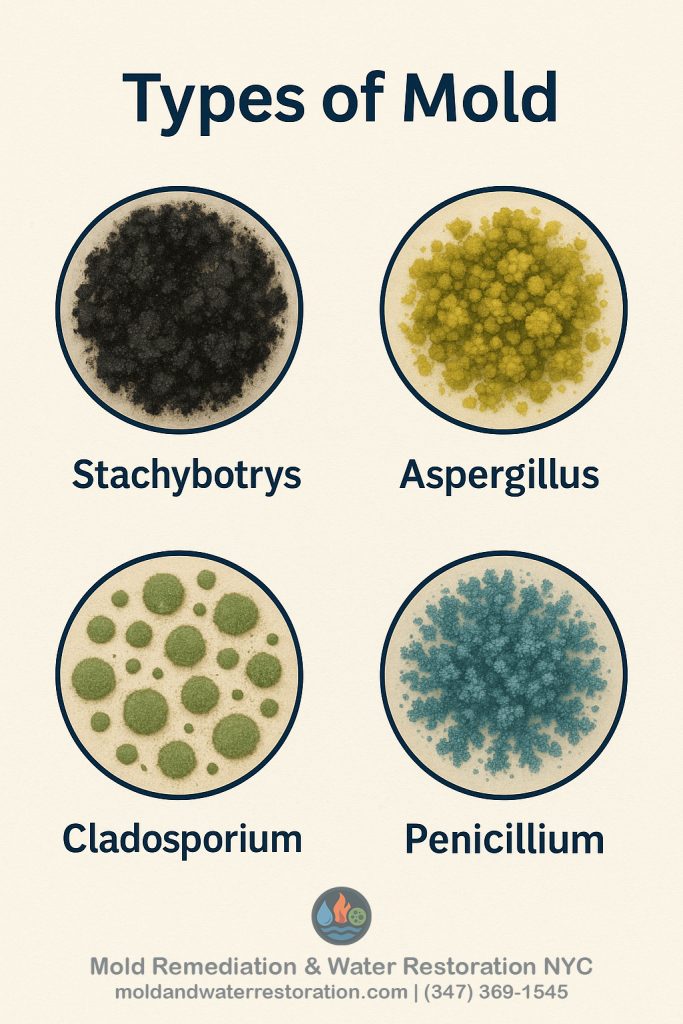
Black mold has a distinct appearance, but it varies depending on where it’s growing.
Typical signs include:
- Black, dark green, or very dark brown patches
- Slimy texture (when wet)
- Dry, soot-like spots (when dry)
- Circular clusters or irregular streaks
- Speckles or “pepper-like” dots on walls or ceilings
Black mold thrives in areas where moisture lingers: bathrooms, kitchens, HVAC closets, basements, and behind walls after leaks.
If you’re unsure whether the dark spot is dirt or mold, here’s a simple test:
-> Lightly dab the area with bleach.
If it lightens within a minute, it’s likely mold.
If it stays dark, it may be something else (but should still be checked).
2. A Strong, Musty Odor You Can’t Get Rid Of
One of the biggest red flags of hidden toxic black mold is the smell.
Black mold odors are:
- Musty
- Damp
- Earthy
- Similar to wet basement smell
- Stronger in closed rooms or corners
If your apartment smells musty even after cleaning, airing out, or using dehumidifiers, mold could be hiding behind:
- Drywall
- Bathroom walls
- Kitchen cabinets
- Under flooring
- Inside air vents
This is especially common in NYC apartments with old plumbing or past water damage.
3. Recent Water Damage or Ongoing Moisture Issues
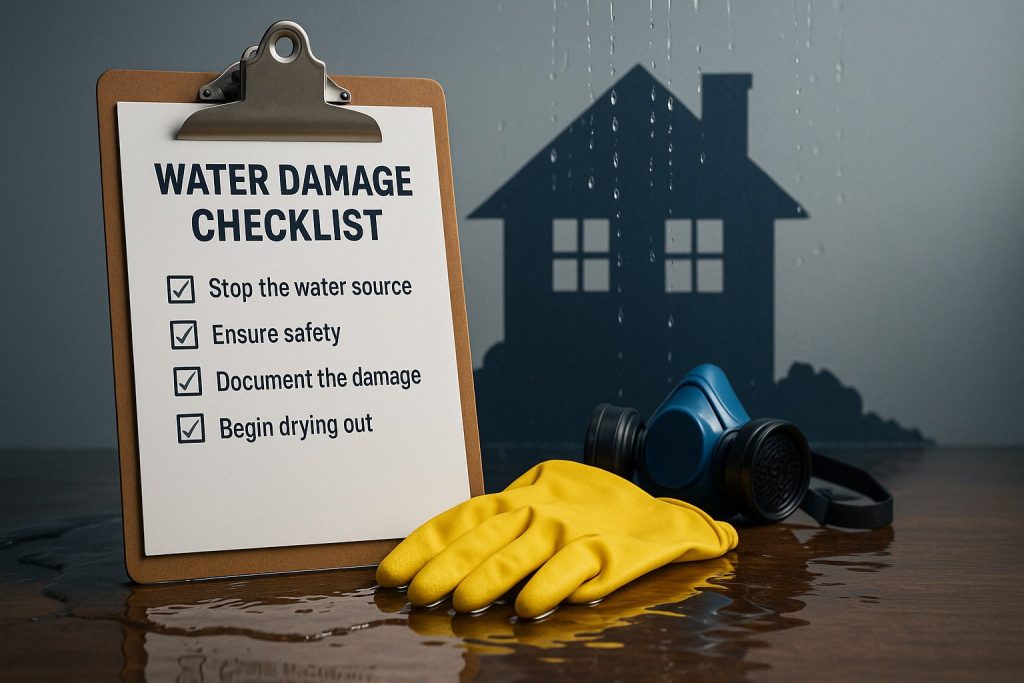
Black mold thrives when moisture is left untreated for more than 24–48 hours.
You’re at high risk if your apartment has experienced:
- A leaking pipe
- Roof leaks
- A flood or overflow
- Condensation on windows
- A leaking AC unit or HVAC system
- Damp or humid bathrooms with poor ventilation
If you had water damage, and no one dried the apartment professionally, black mold may already be growing behind the scenes.
4. Unexplained Health Symptoms (Especially in the Morning)
Black mold releases spores and mycotoxins that can irritate your respiratory system.
Common symptoms include:
- Persistent coughing
- Sneezing
- Congestion
- Itchy or watery eyes
- Headaches
- Sore throat
- Fatigue
- Worsening asthma
- Skin irritation
If symptoms worsen inside your apartment and improve when you leave (work, vacation, outdoors), it may be due to hidden mold.
Children, seniors, and pets are especially sensitive.
5. Visible Growth in Wet Areas
Black mold often shows up in places with frequent moisture exposure.
Common hotspots in NYC apartments:
- Black mold in shower grout or caulk
- Black mould in bathroom walls or tiles
- Black mold on ceiling above showers
- Black mould on window sills (from condensation)
- Bathtub black mold around fixtures
- Mold in toilet bowl or tank
- Black mold in AC unit or air handler
- Black mold on wood cabinets under sinks
If you see it in one area, chances are it may be growing in other hidden spots.
6. Discoloration or Damage on Walls and Ceilings
Even if you don’t see mold directly, black mold often reveals itself through structural changes.
Look for:
- Peeling paint
- Bubbling walls
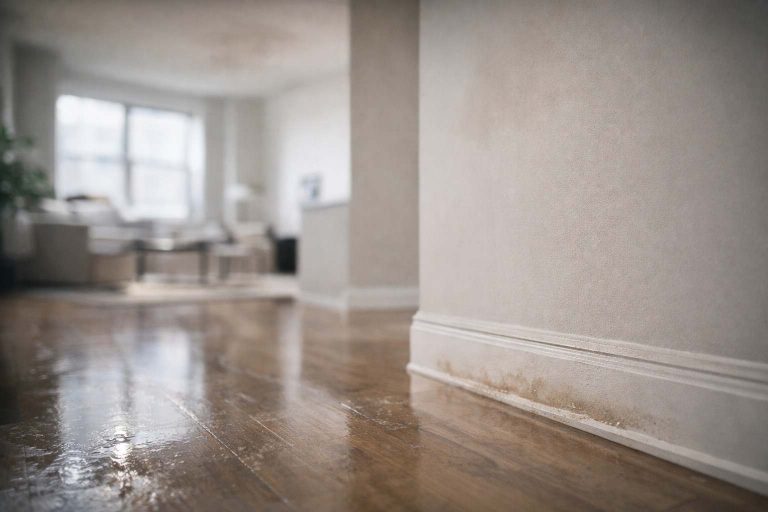
- Brown or yellow stains
- Soft or warped drywall
- Crumbling plaster
- Condensation rings
- “Shadowy” patches that look slightly darker
These signs often indicate moisture trapped inside the wall, exactly where black mold thrives.
7. Black Dust Around Vents or HVAC Units
If you see dark dust blowing from vents, especially in older buildings, this may be mold in:
- Air ducts
- AC units
- HVAC drip pans
- Inside ventilation systems
Black mold spreads rapidly through ventilation systems and can impact the entire apartment.
This is also one of the most dangerous types, because the spores circulate directly into the air you breathe.
8. You’re Renting an Older NYC Apartment
Pre-war and older NYC buildings are notorious for:
- Poor ventilation
- Old pipes
- Window condensation
- Bathroom moisture buildup
- Unreported leaks
- Hidden plumbing issues
These buildings are beautiful, but they’re mold traps if not maintained properly.
If you live in a building over 40–50 years old, the risk of hidden black mold is significantly higher.
9. Mold Keeps Coming Back After Cleaning
If you’ve cleaned a mold spot and it returns within days or weeks, the cause isn’t the surface, it’s the moisture source behind it.
Recurring mold usually means:
- A leak inside the wall
- Poor ventilation
- High humidity
- Plumbing issues
- Moisture trapped in drywall
Bleach can bleach the stain, but it does not kill black mold at its roots.
Professional treatment is the only long-term solution.
What to Do If You Suspect Black Mold in Your NYC Apartment
Black mold grows fast, spreads faster, and can become dangerous if ignored. If you notice any of the signs above:
📌 Do NOT:
- Scrape or scrub the mold
- Paint over it
- Spray household cleaners
- Disturb the area
This spreads spores and makes the situation worse.
📌 Do:
- Ventilate the area
- Document with photos
- Notify your landlord (if renting)
- Contact a professional mold remediation company
A professional inspection uses tools homeowners don’t have; moisture readers, thermal imaging, air quality testing, and more.
Need Help Identifying or Removing Black Mold? We Can Help.
Mold Remediation & Water Restoration NYC specializes in black mold inspection, testing, removal, and black mold mitigation throughout all five boroughs.
We handle:
✔ Black mold in bathroom & shower
✔ Black mold inside walls
✔ Black mold in AC units & air vents
✔ Black mold in ceilings & basements
✔ Toxic stachybotrys infestations
Our team responds same-day for urgent cases.
📞 Call now: (347) 369-1545
or
👉 Get a Free Estimate: https://moldandwaterrestoration.com/free-estimate/